5 грешки, които да избягвате при създаването на чатбот
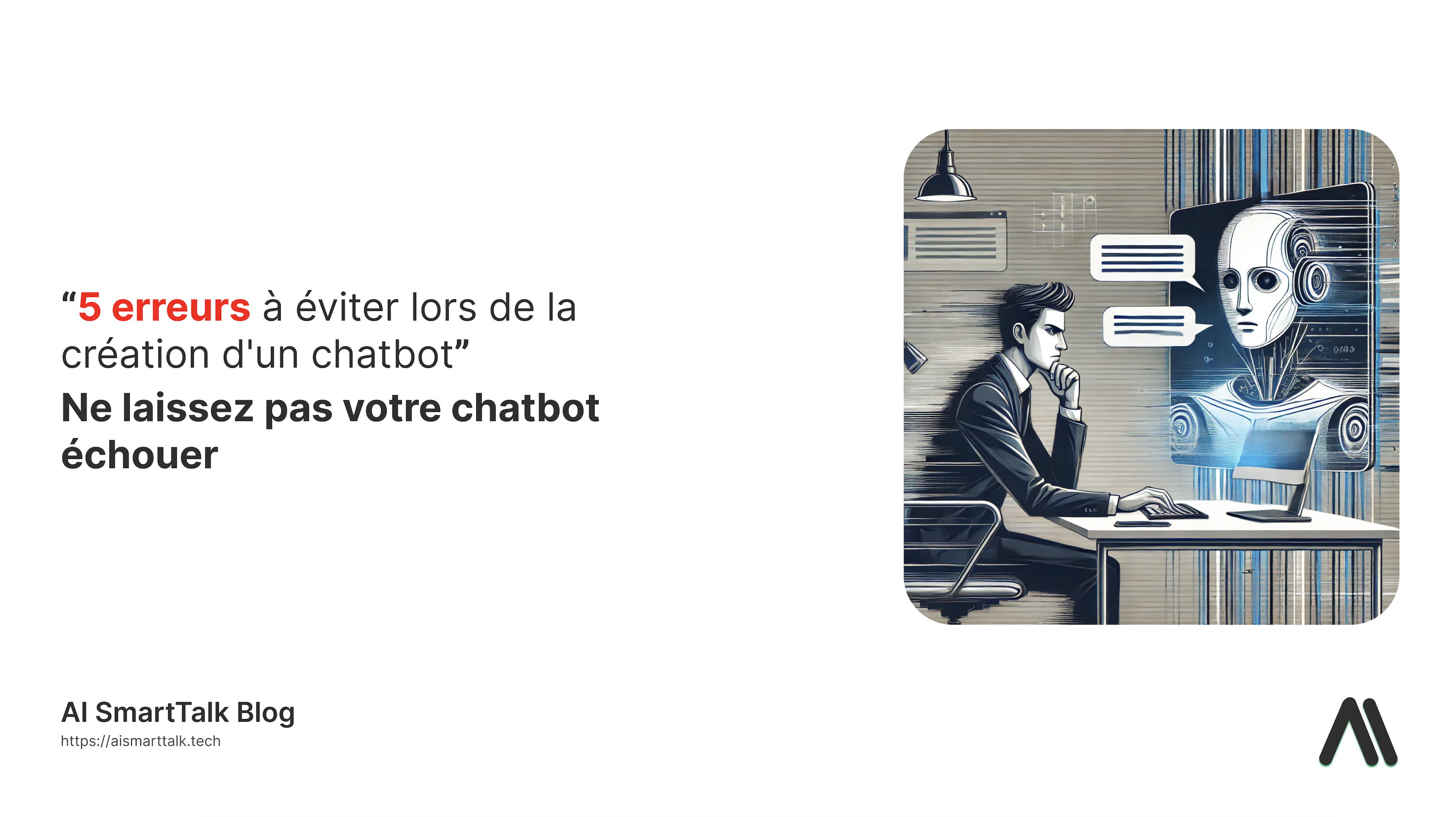
Чатботовете са мощни инструменти за автоматизиране на взаимодействията с клиентите, но успехът им зависи от внимателното им внедряване. Твърде често, простите грешки могат да развалят потребителското изживяване и да повредят имиджа ви. Ето 5-те най-често срещани грешки и как да ги избегнете.
Грешка 1: Създаване на чатбот без ясна цел
Защо е грешка?
Чатбот, проектиран без конкретна цел, често е объркващ и неефективен. Компаниите, които просто "следват тенденцията" без да вземат предвид реалните си нужди, в крайна сметка предлагат разочароващи взаимодействия за потребителите.
Възможни последици:
- Потребителите бързо напускат разговорите.
- Вашата компания губи време и ресурси, без да постигне конкретни резултати.
- Имиджът на бранда ви може да пострада.
Пример за лошо проектиран чатбот:
Ето един чатбот, който няма цел и яснота. Той предоставя некохерентен отговор вместо да информира потребителя правилно.
Поддръжка на клиенти за електронна търговия
Пример: Проблем с доставката
AI Assistant
Online
Проблем в този пример:
- Отговорът е неправилен и не отговаря на реалността.
- Чатботът не е конфигуриран да обработва информация за времето за доставка точно.
Как да избегнете тази грешка?
1️⃣ Поставете ясна цел:
Преди да конфигурирате вашия чатбот, определете какво искате да постигне. Например:
- Отговаряйте на често задавани въпроси, за да намалите обема на поддържащите билети.
- Предоставяйте продуктови препоръки на базата на поведението на потребителите.
2️⃣ Структурирайте разговорните потоци:
- Организирайте отговорите си около специфичните нужди на потребителите.
- Планирайте механизми за резервни отговори за сложни въпроси.
3️⃣ Тествайте вашия чатбот преди да го внедрите, за да се уверите, че отговаря правилно на най-често срещаните случаи.
Пример за добре проектиран чатбот:
Поддръжка на клиенти за електронна търговия
Пример: Доставка
AI Assistant
Online
Защо това работи?
- Отговорът е ясен и точен.
- Чатботът е конфигуриран да предоставя реалистична и полезна информация, съобразена с очакванията на клиентите.
Грешка 2: Игнориране на персонализацията на чатбота
Защо е грешка?
Общ чатбот, който третира всички потребители по един и същи начин, рискува да изглежда безличен и неефективен. Клиентите очакват чатбот да разпознава специфичните им нужди, особено ако взаимодействат редовно с вашия бранд.
Възможни последици:
- Намаляване на ангажираността на клиентите.
- Разочароващо изживяване за вашите редовни потребители.
- По-малко възможности за задържане или продажби.
Пример за чатбот без персонализация:
Ето пример, в който чатботът третира всички потребители общо, без да взема предвид историята на покупките или статуса им.
Поддръжка на клиенти за електронна търговия
Пример: Липса на персонализация
AI Assistant
Online
Проблем в този пример:
- Чатботът не разпознава потребителя или неговата поръчка.
- Потребителят е принуден да търси отговор сам, което създава разочарование.
Как да избегнете тази грешка?
1️⃣ Интегрирайте вашия CRM или ERP:
Свържете вашия чатбот с вътрешните инструменти, за да може да извлича данни за потребителите (история на поръчките, предпочитания и т.н.).
2️⃣ Персонализирайте отговорите спрямо профила на потребителя:
- За нов клиент: Предоставяйте обща информация за продукти или услуги.
- За лоялен клиент: Подчертайте персонализирани промоции или информация, свързана с последните им покупки.
Пример за персонализиран чатбот:
Поддръжка на клиенти за електронна търговия
Пример: Персонализация
AI Assistant
Online
Защо това работи?
- Чатботът разпознава клиента и предоставя персонализиран отговор.
- Потребителят получава специфичната информация, която търси, без допълнителни усилия.
Отлична точка! Ето обогатено обновление на третата грешка, включващо възможностите на AI агенти като AI SmartTalk в решението.
Грешка 3: Непланиране на резервен механизъм
Защо е грешка?
Дори най-добрите чатботове имат своите ограничения. Когато възникнат сложни или непредвидени въпроси, един прост чатбот може да не успее да предостави адекватен отговор, което може да разочарова потребителя.
Възможни последици:
- Потребителят напуска разговора.
- Компанията губи доверие и удовлетвореност на клиентите.
- Пропуснати възможности за конверсия или задържане.
Пример за чатбот без резервен механизъм:
Ето един типичен пример, при който прост чатбот оставя потребителя без задоволителен отговор.
Поддръжка на клиенти за електронна търговия
Пример: Липса на резервен механизъм
AI Assistant
Online
Проблем в този пример:
- Чатботът се ограничава до един опит за отговор.
- Липсва му способността да проучва други източници или опции за разрешаване на запитването.
Как да избегнем тази грешка с AI агент като AI SmartTalk?
AI агент, за разлика от прост чатбот, може да използва множество инструменти за решаване на проблем или отговаряне на въпрос.
Уникалните способности на AI агента:
1️⃣ Мултиизточно проучване: AI SmartTalk може да получи достъп до различни бази данни, API или системи, за да опита множество подходи преди да отговори.
2️⃣ Интелигентна делегация:
- Ако AI агентът не може да намери отговор, той може да предаде въпроса на друг специализиран AI агент или на човек.
- Това осигурява непрекъснатост в потребителското изживяване.
3️⃣ Непрекъснато учене: Всяка неуспех може да бъде анализирана и интегрирана в актуализации, за да се подобри бъдещата производителност.
Пример за AI агент с интелигентен резервен механизъм:
Поддръжка на клиенти за електронна търговия
Пример: Интелигентен резервен механизъм с AI SmartTalk
AI Assistant
Online
Защо това работи?
- AI агентът проучва множество ресурси преди да делегира запитването.
- Дори в случай на ограничения, потребителят се чувства подкрепен благодарение на плавния преход към човек или друга система.
Предимствата на AI SmartTalk в резервния механизъм:
-
Достъп до SmartFlow: Свържете вашия AI агент с всички ваши вътрешни и външни инструменти за отговори в реално време.
-
Динамично управление на сложни случаи: AI SmartTalk може да открие дали един въпрос изисква човешка намеса и да извърши плавен преход.
-
Подробни отчети: Анализирайте нерешените въпроси, за да оптимизирате вашата база знания или да подобрите вашите сценарии.
Грешка 4: Пренебрегване на актуализации и непрекъснато подобрение
Защо е грешка?
Един чатбот никога не е "завършен." Компаниите, които не инвестират в редовното обновяване на своите сценарии и бази данни, рискуват бързо да се окажат с остарял инструмент, неспособен да отговори на очакванията на потребителите.
Възможни последици:
- Остарели или неверни отговори (промени в сроковете за доставка, политики за връщане и т.н.).
- Загуба на релевантност пред лицето на развиващите се потребителски нужди.
- По-малко конверсии или удовлетвореност на клиентите.
Пример за лошо поддържан чатбот:
Поддръжка на клиенти за електронна търговия
Пример: Остаряла база данни
AI Assistant
Online
Проблем в този пример:
- Чатботът предоставя неверна информация, защото неговата база данни не е актуализирана.
- Това генерира разочарование за потребителя и подкопава доверието в компанията.
Как да избегнем тази грешка?
1️⃣ Редовно актуализиране на ключова информация:
- Срокове за доставка.
- Политика за връщане или условия на услугата.
- Промени в продуктите или промоционалните оферти.
2️⃣ Анализирайте взаимодействията на потребителите:
- Идентифицирайте чести или нови въпроси, използвайки отчети, генерирани от AI SmartTalk.
- Добавяйте или коригирайте отговорите, за да отразяват тези нужди.
3️⃣ Използвайте възможностите за непрекъснато учене: AI агенти като AI SmartTalk могат автоматично да откриват слабо обработени въпроси и да предлагат корекции, които да бъдат интегрирани в сценарите.
Пример за добре поддържан AI агент:
Поддръжка на клиенти за електронна търговия
Пример: Актуализирана база данни
AI Assistant
Online
Защо това работи?
- Чатботът предоставя точна и актуална информация, вдъхвайки доверие.
- Потребителят получава ясен и задоволителен отговор без допълнителни усилия.
Предимствата на AI SmartTalk в непрекъснатото подобрение:
-
Автоматизирани отчети: Идентифицирайте слабо управлявани въпроси или сценарии, които изискват подобрение.
-
Интеграция с SmartFlow: Лесно добавяйте нови източници на информация, за да осигурите, че вашият AI агент винаги е актуален.
-
Централизирани актуализации: С AI SmartTalk, актуализирайте вашата база знания само веднъж и всички ваши AI агенти моментално получават новите данни.
Грешка 5: Подценяване на важността на тестването и мониторинга на производителността
Защо е грешка?
Дори най-добре проектираният чатбот може да срещне проблеми, ако не се тества и анализира редовно. Тестването помага за идентифициране на грешки, несъответствия или точки на триене, преди те да повлияят на вашите потребители. Мониторингът на производителността гарантира, че вашият чатбот се развива, за да отговори на променящите се нужди.
Възможни последици:
- Потребителите получават неверни или объркващи отговори.
- Неподозирано намаление на удовлетвореността на клиентите може да повлияе на вашата марка.
- Пропуснати възможности за подобрение, позволяващи на вашите конкуренти да получат предимство.
Пример за не тестван чатбот:
Поддръжка на клиенти за електронна търговия
Пример: Неподозирано неверен отговор
AI Assistant
Online
Проблем в този пример:
- Грешка в отговора (30 дни вместо 14 дни) би могла да бъде открита чрез редовно тестване.
- Този неверен отговор може да доведе до спорове и да навреди на кредибилитета.
Как да избегнете тази грешка?
1️⃣ Редовно тестване на сценарии на разговор:
- Симулирайте най-честите взаимодействия, за да идентифицирате потенциални проблеми.
- Тествайте също така екстремни или необичайни случаи.
2️⃣ Установете ясни KPI:
- Точност на отговорите: Колко отговори са верни?
- Степен на удовлетвореност на клиентите (CSAT): Доволни ли са потребителите от взаимодействията?
- Степен на ескалация: Колко запитвания изискват човешка намеса?
3️⃣ Анализирайте отчетите за производителността: Инструменти като AI SmartTalk генерират подробни отчети за взаимодействия, позволявайки ви да идентифицирате слабости.
Пример за чатбот, тестван и оптимизиран:
Поддръжка на клиенти за електронна търговия
Пример: Верен отговор, открит чрез тестове
AI Assistant
Online
Защо това работи?
- Редовното тестване е усъвършенствало отговора, за да отразява действителната политика на компанията.
- Чатботът предлага алтернатива в случай на специални нужди, подобрявайки потребителското изживяване.
Предимствата на AI SmartTalk за проследяване на производителността:
-
Дашбордове в реално време: Веднага визуализирайте производителността на вашия чатбот и идентифицирайте проблеми.
-
Анализ на неуспехи: Автоматично откривайте слабо обработени въпроси или проблемни сценарии.
-
Непрекъсната оптимизация: С подробни отчети, коригирайте вашите сценарии и обогатявайте вашите бази данни с познания на база реална обратна връзка.
Обща заключение: Не позволявайте на вашия чатбот да се провали
Като избягвате тези 5 ключови грешки:
- Създаване на чатбот без ясна цел.
- Игнориране на персонализацията.
- Пренебрегване на механизми за резервно копие.
- Забравяне да актуализирате съдържанието.
- Подценяване на тестването и мониторинга на производителността.
Можете да осигурите ефективен, надежден и удобен за потребителя AI агент.
👉 Готови ли сте да оптимизирате вашите взаимодействия? Опитайте AI SmartTalk и открийте силата на AI агент, проектиран да се развива с вас.